
July 20, 2026
A closer look at our new home: isolation areas for infectious diseases
Animals with infectious diseases like parvo and distemper need specialist care in dedicated isolation areas to limit the spread of infection and give the best possible chance of recovery.
Our new home will have large isolation hospitals and recovery areas for both cats and dogs that can be completely separated from non-infectious animals. Read on to find out more.
Why isolation matters
At our current home, we do everything we can to keep healthy and sick animals separate, but the sheer number of animals who need our help, combined with the limitations of our rented site, makes this incredibly challenging.
Currently, everyone arrives through the same entrance: staff, visitors, ambulances, delivery drivers and community members bringing injured and sick animals to us. Animals must then be carried through communal areas to reach our treatment and recovery wards.
Parvovirus and canine distemper are two of the most serious infectious diseases affecting dogs in India, particularly vulnerable puppies and unvaccinated street animals. Although we vaccinate every dog in our care against these viruses, we still treat many hundreds of cases every year. The vaccinations take several hours or days to offer protection, so newly rescued animals are vulnerable while the vaccinations slowly start to offer protection.
These diseases spread easily through close contact and contaminated environments, causing symptoms ranging from vomiting and diarrhoea to respiratory infections, seizures and paralysis. Since viruses have no treatment per se, there is no cure for either disease, but with supportive care and treatment of secondary infections many can survive. Strict isolation and intensive care is therefore essential, both to give infected animals the best possible chance of recovery and to protect the thousands of other animals who depend on us to stay safe.
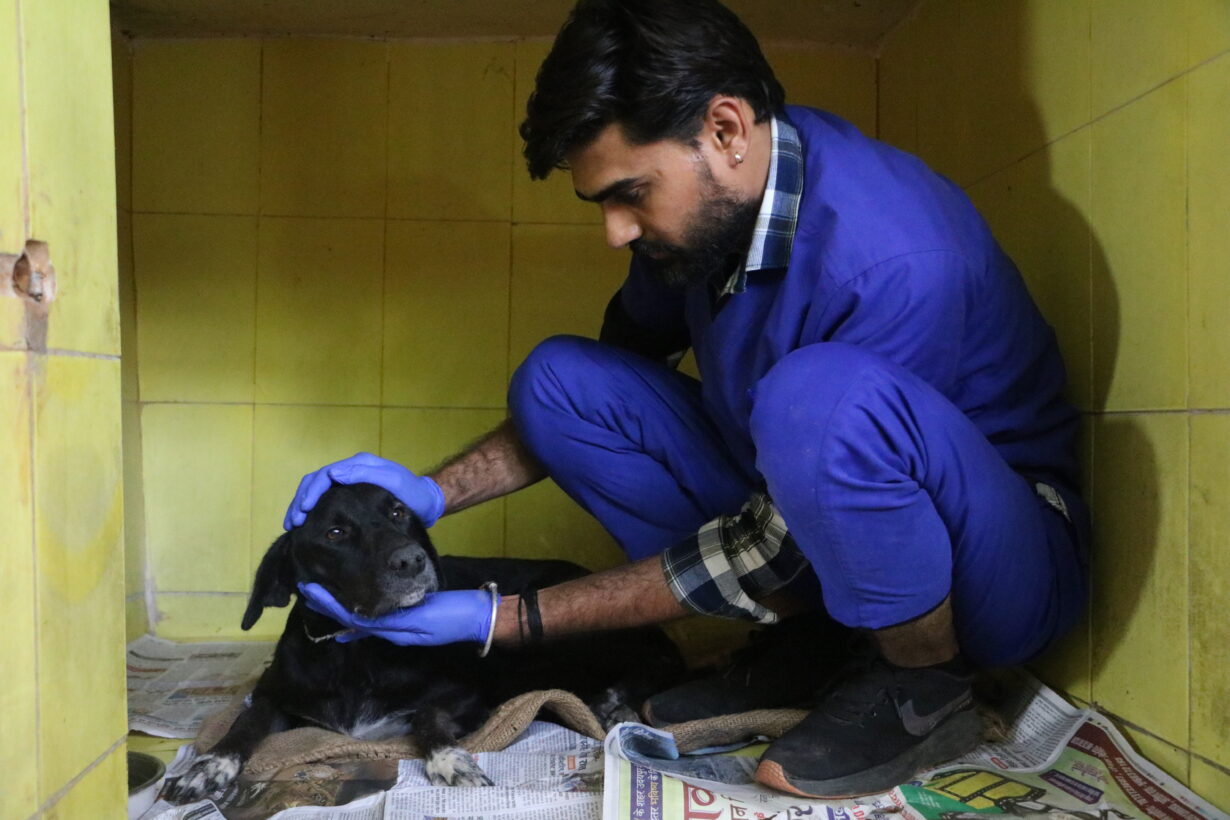
A new era of treatment
One of the most exciting features of our new home is that we have designed large isolation hospitals for both cats and dogs and recovery areas that can be completely separated from non-infectious animals. Animals will be tested before being admitted and will be brought directly to the isolation wards. After each admission, ambulances will be washed on-site in the ambulance washing zone to prevent spread of infection before going out and rescuing more animals. Access for staff, visitors and deliveries will be carefully controlled.
These purpose-built isolation hospitals and wards will also provide a quieter, calmer environment where animals can heal in peace and be monitored more closely by our team. This will give the animals in our care the best possible chance of making a full recovery.